Designing a communication system for an emerging climate innovation platform.
Pragati Earth was still taking shape when the project began. While its mission—to accelerate climate innovation emerging from research—was ambitious, much of its identity, communication, and public presence remained undefined.
Rather than designing individual deliverables, I approached the work as the creation of a communication system. The objective was to establish a visual identity, website, and reusable framework that could communicate scientific credibility while remaining approachable to diverse audiences and adaptable as the organisation evolved.
Overview
How do you communicate an emerging climate innovation platform before the platform itself is fully defined?
That question shaped the entire Pragati Earth project.
Pragati Earth was conceived as a platform to support India’s growing ecosystem of deep-tech climate ventures, particularly those emerging from research and moving toward real-world implementation. Its audience extended beyond entrepreneurs to universities, investors, ecosystem partners, and institutions, each bringing different expectations and levels of technical understanding.
Rather than creating a logo and website in isolation, the project became an opportunity to build a communication system that could grow alongside the initiative.
Context
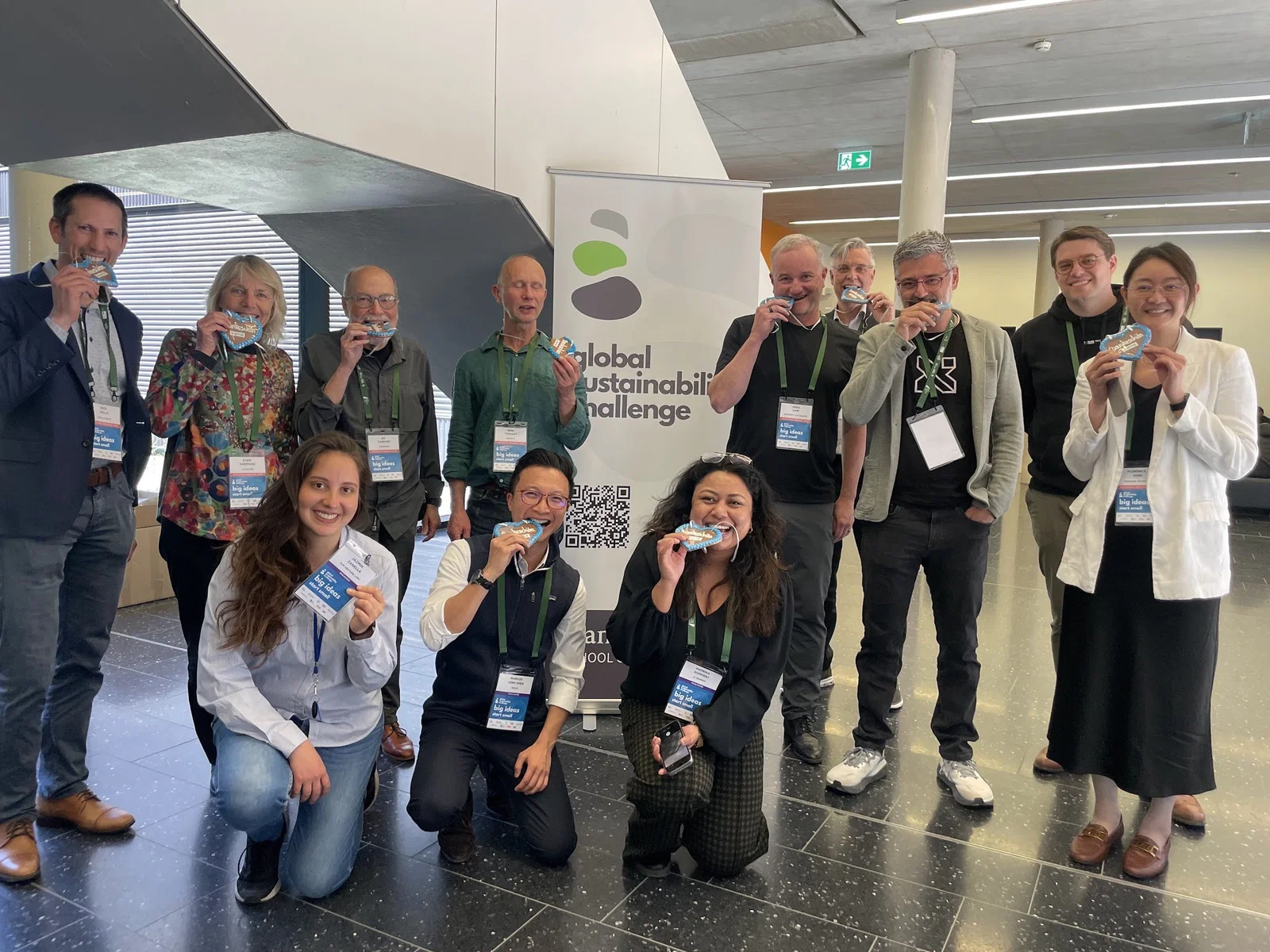
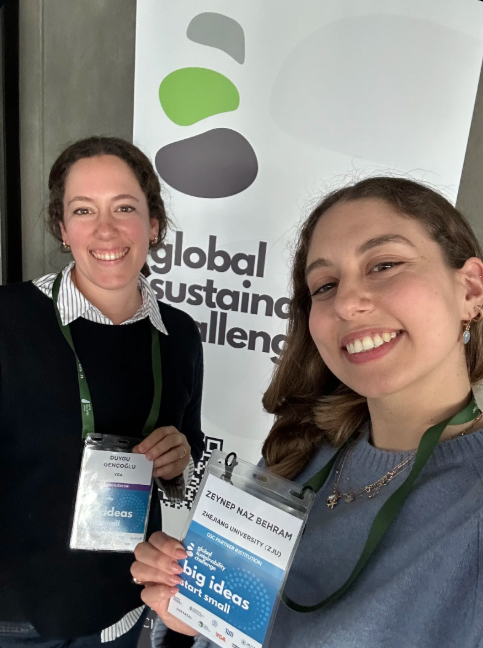
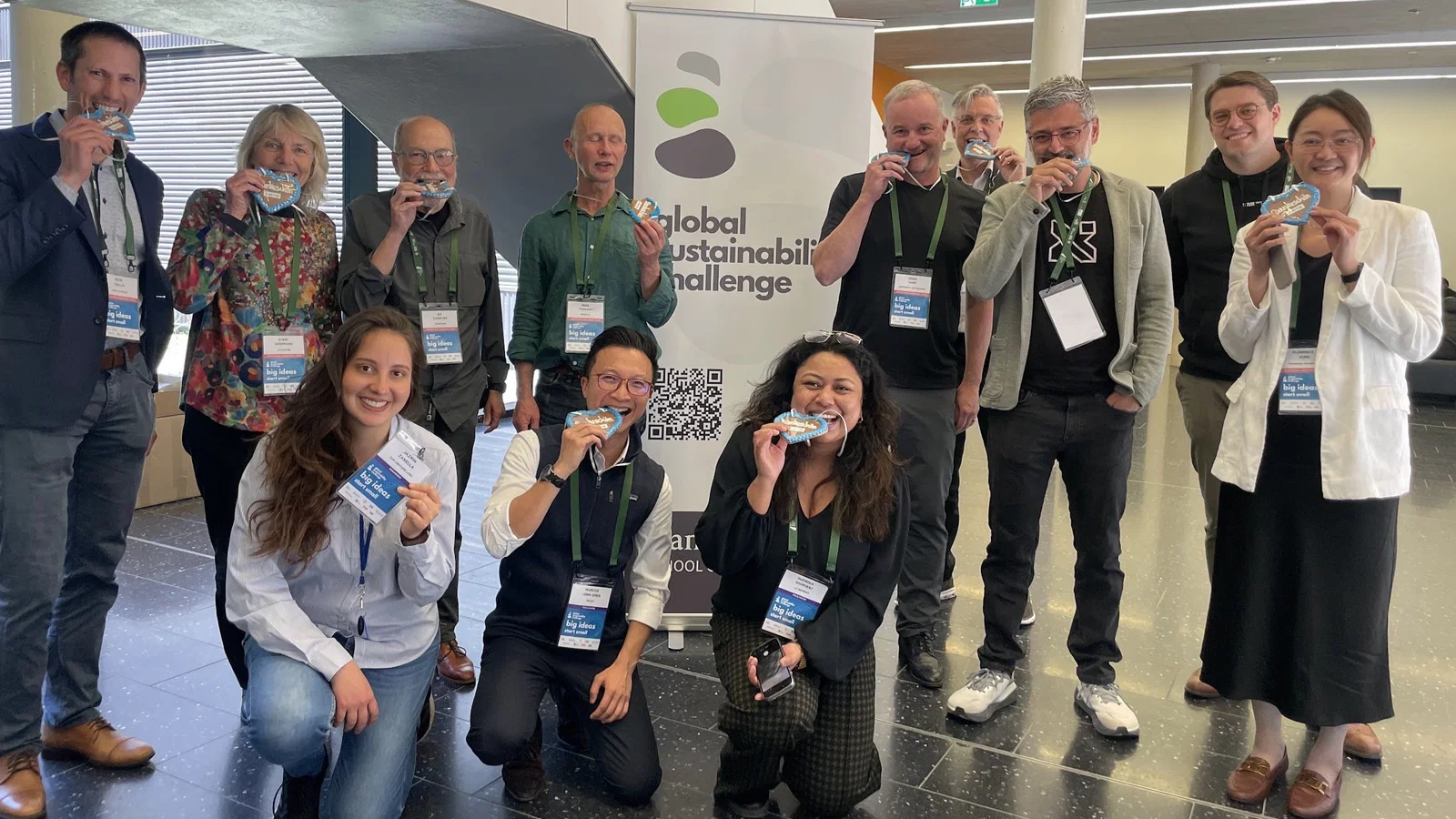
The project began through a referral from the Global Sustainability Challenge, where members of the Stanford Doerr School of Sustainability team recommended me to Pragati Earth’s founders.
At the outset, the initiative had a clear mission but very little visual or communication infrastructure. The name had been finalised, but there was no identity, website, or coherent framework for explaining the platform to different audiences.
The founders emphasised that every aspect of the project—from the scientific positioning of the initiative to the visual language—should feel thoughtful, credible, and grounded rather than relying on familiar environmental clichés.
That direction became the foundation for the work that followed.
Challenge
Communicating climate innovation introduces an unusual design challenge.
The platform needed to appeal simultaneously to researchers developing breakthrough technologies, founders building ventures, universities nurturing innovation, investors evaluating opportunities, and ecosystem partners supporting long-term growth.
Each audience required a different entry point into the same story.
The challenge was therefore not simply to design an attractive identity, but to create a communication framework that could remain scientifically credible, visually distinctive, and flexible enough to support the initiative as it evolved.
Approach
Rather than beginning with visual style, I started by understanding how the platform intended to create impact and how different audiences would encounter it.
Discussions with the founders focused on long-term vision, programme evolution, and the different ways researchers, founders, institutions, and investors might engage with the platform.
Those conversations suggested that the visual identity should communicate precision, alignment, and progress rather than relying on literal environmental symbolism.
This thinking informed every stage of the project, from the identity system to the website architecture and communication materials.
Process
Research and Alignment
The project began with collaborative discussions around the initiative’s long-term ambitions, intended audiences, and communication priorities. These conversations helped establish the principles that would guide both the identity and the website.
Developing the Identity
Several conceptual directions were explored before refining a visual language inspired by scientific thinking, measurement, calibration, and alignment. Rather than depicting nature directly, the identity reflects the structured processes behind climate innovation and systems change.
The resulting logo system was designed to remain recognisable across digital platforms, events, presentations, and future programme expansion.
Building the Communication System
With the identity established, the work expanded into creating a cohesive communication framework that included:
- Logo system and usage guidelines
- Typography and colour system
- Website design and information architecture
- Responsive WordPress implementation
- Documentation for future use
Every component was designed to work together as part of a scalable and reusable system rather than a collection of independent assets.
Designing for Multiple Audiences
One of the defining challenges of the project was designing for people who approached the platform from very different perspectives.
Researchers needed scientific credibility.
Founders needed clarity around opportunity.
Investors wanted confidence in the platform’s vision.
Universities and ecosystem partners needed a framework they could understand, adopt, and collaborate around.
Every communication decision—from the identity to the website structure—was evaluated against these different audiences, ensuring that the platform could speak consistently while remaining accessible to each group.
Key Decisions
One of the most significant decisions was to avoid conventional environmental imagery.
Instead, the identity draws inspiration from ideas of measurement, alignment, and scientific systems. This created a visual language that feels contemporary, credible, and adaptable without relying on familiar climate design tropes.
Equally important was treating every deliverable as part of a larger communication framework. The website and identity were designed to reinforce one another, creating consistency while allowing the organisation to evolve over time.
Outcome
The project resulted in a comprehensive brand and communication system that established Pragati Earth’s first public identity.
The website launched alongside the new visual identity and became the primary platform for introducing the initiative to researchers, founders, institutions, investors, and partners.
The identity system continues to support presentations, digital communication, events, and future programme development through a flexible and consistent visual language.
Early feedback from the launch highlighted the clarity of the website and the overall presentation of the initiative, reinforcing the value of approaching the project as a communication system rather than a collection of individual deliverables.
Reflection
This project reinforced something that has become central to my design practice.
Clients rarely arrive with fully defined problems.
More often, they arrive with ambition.
My role is to help create the structure around that ambition—to translate emerging ideas into communication systems that other people can understand, trust, and build upon.
While Pragati Earth began as a branding and website engagement, it ultimately became an exercise in designing for long-term clarity. Every decision was made with adaptability in mind so that the platform could continue evolving without losing coherence.
Looking back, I’m most proud not of any individual deliverable, but of creating a foundation that continues to support the initiative as it grows.
Project Gallery